
Organizational Resilience & Human Risk Management
Resilience is not grit.
Grit drives execution under pressure. Resilience protects the human system so performance is sustainable.
The Center for Holistic Resilience provides evidence-based resilience systems that protect psychological and physiological health while enabling stable, repeatable performance in high-pressure environments.

Why Burnout Is an Organizational Risk —
Not an Individual Failure
Burnout is often framed as a personal issue — a lack of boundaries, grit, or coping skills.
In reality, burnout is a predictable biological and psychological outcome of sustained pressure on human systems without adequate recovery and regulation capacity.
Highly gritty individuals often perform exceptionally well under pressure — until the cumulative cost shows up in the body or psyche.
When demands repeatedly exceed the mind and body’s ability to adapt and recover:
- Cognitive flexibility declines
- Emotional regulation deteriorates
- Stress physiology remains chronically activated
Over time, this leads to fatigue, illness, disengagement, errors, leadership instability, absenteeism, and attrition.
Research estimates burnout-related costs of $5,000–$10,000 per employee per year, appearing not as “burnout,” but as lost productivity, medical claims, and turnover.
Burnout is rarely a failure of effort. It is a failure of recovery, regulation, and system design.
Grit vs. Resilience
Why the Distinction Matters
Grit enables people to push through difficulty in pursuit of goals.
Resilience determines whether they can do so without accumulating lasting psychological or physiological harm.
Grit answers:
Can you perform under pressure?
Resilience answers:
Can you recover, regulate, and remain healthy enough to perform again?
Organizations that rely on grit alone often see:
- Exceptional short-term performance
- High achievement followed by illness, burnout, or disengagement
- Leaders who function well, until they don't
Resilience is not about doing less.
It is about protecting the human system so performance remains possible over time.
Why Resilience Requires a System-Level Approach
Resilience is not a mindset, personality trait, or single skill.
Resilience is a system property of the human organism — shaped by the interaction of cognition, emotion, physiology, relationships, and meaning over time.
Organizations are collections of human systems operating under shared pressure.
When resilience is addressed narrowly, organizations see predictable patterns:
- Cycles of overperformance followed by depletion
- High performers exiting or becoming chronically unwell
- Leaders making sound decisions, until stress physiology overrides judgment
When resilience is designed holistically:
- Recovery becomes reliable rather than accidental
- Performance remains stable across repeated stress cycles
- Human risk becomes visible, preventable, and manageable
The issue is not motivation.
The issue is biological and psychological sustainability.
This is the issue the Holistic Resilience Framework™ was designed to address.
The Holistic Resilience Framework™
A Universal Model of Human Resilience
The Holistic Resilience Framework™ is a proprietary, evidence-based model that defines how human resilience is cultivated across psychological, physiological, relational, and purpose-based dimensions.
The framework describes how resilience actually functions in the human system, regardless of setting. It can be used by individuals, leaders, teams, and organizations seeking to adapt, recover, and remain healthy under sustained challenge or pressure.
The Center for Holistic Resilience specializes in applying this universal framework within organizational environments, where the cumulative cost of human strain shows up as burnout, illness, decision instability, and performance volatility.
The science is universal.
The application, governance, and scale differ.
The Holistic Resilience Framework™ is not a therapeutic model and does not diagnose or treat mental health conditions. It is a resilience and performance framework grounded in human systems science.
All Center programs are designed and governed by this framework.
The Five Pillars of Holistic Resilience™
Resilience emerges from the interaction of five interdependent human capacities. When one pillar is compromised, the system compensates — often temporarily — until breakdown occurs.
When all five are supported, resilience becomes durable, repeatable, and health-preserving.
Higher purpose
Meaning, Motivation, & Directional Clarity
Purpose supports resilience by organizing effort, values, and decision-making — particularly during prolonged stress or uncertainty.
Organizational impact:
- Sustained engagement without overidentification or burnout
- Ethical decision-making under pressure
- Leadership stability during disruption
healthy head
Cognitive Clarity & Decision Stability
Chronic stress narrows attention and impairs judgment. This pillar supports cognitive flexibility and executive functioning under load.
Organizational impact:
- More consistent decision quality
- Reduced errors during high-stakes periods
- Better judgment under sustained pressure
healthy heart
Emotional Regulation & Adaptive Response
Emotional dysregulation accelerates burnout and conflict. This pillar supports awareness, regulation, and responsiveness without suppression.
Organizational impact:
- Reduced interpersonal volatility
- Stronger leadership presence
- Greater psychological steadiness across teams
healthy hands
Embodied Habits & Behaviors
Resilience is biological. This pillar addresses stress physiology, recovery cycles, and embodied habits that prevent cumulative wear and tear.
Organizational impact:
- Energy sustainability
- Reduced stress-related illness
- Lower burnout-driven attrition
Healthy human connection
Relational Safety & Community
Human systems regulate through connection. This pillar focuses on relational stability, trust, and psychological safety.
Organizational impact:
- Stronger collaboration under stress
- Earlier surfacing of challenges
- Teams that remain cohesive during pressure
Framework Governance
The Five Pillars of Holistic Resilience™ are not taught as isolated skills.
Within the Center for Holistic Resilience, the framework functions as a governing architecture used to:
- Assess cumulative human strain
- Design employee-facing resilience programs
- Guide leadership and executive development
- Build long-term resilience infrastructure
While individuals may apply elements of the framework independently, organizations require structured assessment, leadership alignment, and system-level integration to protect resilience at scale.
The Holistic Resilience Framework™ was developed by Kelly Greene, JD, ALM, NBC-HWC, drawing on interdisciplinary training in psychology, law, and human systems.
How Organizations Partner With Us
The Center for Holistic Resilience partners with organizations seeking evidence-based, system-level approaches to resilience that protect human health while sustaining performance under pressure.
We most often work with HR, L&D, Legal, Risk, and executive leadership teams navigating sustained operational demands, leadership strain, or rising burnout among high-performing employees.
Engagements are designed to meet organizations where they are — from targeted interventions addressing acute pressure points to the design of comprehensive resilience infrastructure — while maintaining fidelity to the Holistic Resilience Framework™.
Our Partnership Model
Organizations typically engage with us in one or more of the following pathways:
Strategic Entry Points
Focused trainings, leadership sessions, or assessments designed to surface patterns of human strain, build shared language around resilience, and address immediate pressure points without relying on short-term fixes.
Program Development & Implementation
Design and delivery of employee-facing resilience programs grounded in mind–body science and aligned with organizational goals, culture, and performance demands — without framing resilience as individual weakness or self-care.
Ongoing Advisory & Infrastructure Design
For organizations seeking durable change, we serve as a long-term strategic partner — advising leadership teams and supporting the design, governance, and evolution of resilience systems that protect capacity over time.
Each engagement is customized based on organizational context, pressure profile, and desired outcomes. There is no one-size-fits-all solution.
What Organizations Can Expect
- A clear, evidence-based framework governing all work
- Explicit alignment between resilience initiatives and organizational priorities
- Programs grounded in psychological and physiological science
- Senior-level advisory oversight throughout the engagement
This approach allows organizations to move beyond isolated interventions and build resilience as a sustained organizational capability rather than a short-term initiative.
Signature Engagements
Enterprise resilience engagements grounded in the Holistic Resilience Framework™
Our signature engagements serve as strategic entry points for organizations seeking to address burnout, performance instability, and leadership strain — while laying the foundation for broader resilience initiatives.
Beyond Grit: Redefining Resilience for Sustainable Performance
This engagement reframes resilience beyond willpower and productivity, helping teams understand how stress physiology impacts energy, focus, and performance — and how sustainable resilience is built across mind and body.
Beyond Type: Building Resilient Teams Through Personality Patterns
Beyond Leadership: Leading from Regulation, Not Reactivity
How These Engagements Are Used
These signature engagements are frequently used as:
- Standalone interventions to address acute pressure points
- Pilot programs for broader employee resilience initiatives
- Entry points into long-term organizational resilience and human risk infrastructure design
All engagements are governed by the Holistic Resilience Framework™ and can scale based on organizational goals.
Carmen Adams
Vice President, State Manager for Fidelity National Financial
Kelly created a space that was both energizing and deeply reflective. Her Beyond Grit workshop sparked meaningful growth for our team and left us wanting more. Her approach is thoughtful, impactful, and rooted in real connection. Investing in our team’s collective well-being is so important, and this was the perfect opportunity to align personal resilience with our business goals. I can’t recommend her enough!
Leadership & Oversight
Kelly Greene
Founder & Lead Advisor, Center for Holistic Resilience
JD | ALM (Psychology, Harvard University) | NBC-HWC
Kelly Greene is the founder of the Center for Holistic Resilience and the architect of the Holistic Resilience Framework™, a proprietary, evidence-based system designed to strengthen human resilience and protect organizational performance under sustained pressure.
After more than 16 years practicing law — including serving as in-house corporate counsel and later leading a boutique firm — Kelly developed deep expertise in organizational risk, decision-making under pressure, and leadership dynamics in high-stakes environments.
She later completed graduate training in psychology at Harvard University, where her research focused on resilience and human adaptation to stress. This interdisciplinary background informs her work at the intersection of law, psychology, and organizational systems.
Today, Kelly advises organizations on the design and implementation of resilience strategies that move beyond isolated wellness initiatives to system-level approaches that support performance, recovery, and long-term sustainability.
She serves as lead advisor on all enterprise engagements, overseeing framework application, program design, and governance across Center initiatives.
Program Delivery Team
Our delivery team includes experienced professionals across relevant disciplines, deployed based on organizational needs and program scope. Team members may work individually or collaboratively, depending on the engagement structure.
All delivery is conducted under the Center’s framework, standards, and oversight.
Team composition varies by engagement to ensure appropriate expertise, cultural fit, and organizational alignment.

Executive & leadership coach
Heather Graffagnino
Heather is a certified executive and leadership coach with more than 25 years of experience operating at the intersection of creative ambition and operational execution in high-stakes environments.
She previously served as Vice President of Production Management & Physical Production at Paramount Global, supporting brands including CBS, CMT, MTV, and Comedy Central. Across her career, Heather has led large-scale teams of 200+ professionals, overseen dozens of eight-figure budgets, and guided delivery of complex, live, high-visibility productions under intense pressure. Her work has contributed to iconic programs such as the CMT Music Awards, MTV Video Music Awards, CMT Crossroads, and major network specials.
Today, Heather partners with executives and leadership teams to strengthen decision-making, executive presence, and team effectiveness in fast-paced, creative, and performance-driven organizations. Her work focuses on helping leaders move beyond constant firefighting toward steady, grounded leadership while sustaining high performance and protecting the culture and human dynamics that enable innovation and retention. At CHR, Heather supports leaders and organizations in translating resilience into day-to-day leadership behavior, decision-making, and execution under pressure.

Certified financial planner
Mike Milligan
Mike Milligan is a Certified Financial Planner® and a 30-year veteran of the financial services industry, guided by his mission to Educate. Coach. Plan. He is the founder of 1.oak Financial (One of a Kind Financial), where his team works with individuals, business owners, and entrepreneurs to develop personalized financial strategies that support clarity, confidence, and long-term stability. Mike is the author of The One of a Kind Financial Plan, host of the Ideas by Mike podcast, an adjunct lecturer at Old Dominion University, and the host of the nationally syndicated radio program The One of a Kind Financial Show.
At CHR, Mike contributes to the Healthy Hands dimension of the Holistic Resilience Framework™, helping organizations and individuals cultivate healthy financial habits and behaviors that reduce stress, strengthen decision-making, and support sustainable performance over time.

Cognitive and Emotional Regulation coach
lens neurofeedback specialist
Julie Burge
Julie is a LENS Certified Provider (CLP) specializing in Low Energy Neurofeedback System (LENS) neurofeedback, an advanced modality designed to optimize central nervous system functioning by disrupting maladaptive neural networks. LENS neurofeedback is used to support a wide range of challenges related to nervous system dysregulation, including anxiety, depression, sleep disturbances, ADHD, and traumatic brain injury (TBI).
Julie brings both professional expertise and lived experience to her work. After sustaining a severe traumatic brain injury in April 2019, she engaged in comprehensive rehabilitation, including physical, occupational, and speech therapies. The introduction of neurofeedback played a meaningful role in her continued neurological recovery, deepening her commitment to this evidence-informed approach. In addition to her neurofeedback practice, Julie is a Licensed Professional Counselor–Mental Health Service Provider in the State of Tennessee
At CHR, Julie contributes to the cognitive and emotional regulation dimensions of the Holistic Resilience Framework™, supporting organizations and individuals in strengthening nervous system regulation, cognitive flexibility, and emotional stability in ways that enhance resilience and sustainable performance.

Operations coordinator
Emily Wilder
Emily serves as Operations Coordinator for the Center for Holistic Resilience, where she supports the execution of programs, partnerships, and internal operations with precision and reliability. She brings a strong background in coordinating complex workflows across regulated environments, including healthcare, education, insurance, and field operations.
Emily is known for her ability to manage logistics, scheduling, documentation, and cross-functional communication while maintaining compliance and operational clarity. Her experience supervising staff, coordinating with legal and professional stakeholders, and adapting quickly in dynamic environments allows CHR’s work with organizations to run smoothly and efficiently.
She plays a critical role in ensuring that CHR’s trainings, engagements, and organizational initiatives are delivered with consistency, accountability, and attention to detail.
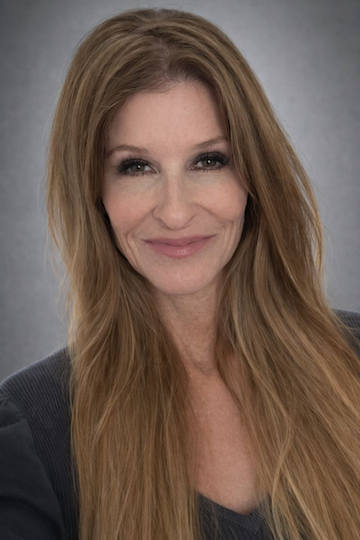
Higher Purpose Coach
Amy Whipp
Amy serves as Higher Purpose Coach for the Center for Holistic Resilience, where she supports individuals and leaders in reconnecting to meaning, values, and purpose amid sustained pressure and complexity.
Amy brings a rare and powerful perspective shaped by her experience as a former orthopedic surgeon who stepped away from clinical practice after the loss of her 7-year-old son. Her healing journey led her to seek credentialing as a spiritual director and to later become a second-time mother to a neurodivergent child. Her path reflects a lived understanding of identity transition, role loss, meaning reconstruction, and the internal recalibration that often accompanies profound life change.
Her work centers on helping people clarify purpose, integrate values into daily decision-making, and cultivate an internal compass that supports resilience, integrity, and sustainable engagement over time. Amy’s approach is grounded, compassionate, and practical, bridging high-stakes professional identity with deep human meaning.
At CHR, she contributes to the purpose-based dimension of the Holistic Resilience Framework™, helping organizations and individuals align performance with meaning in ways that are stabilizing rather than depleting.
Our Delivery Model
The Center for Holistic Resilience operates through a centralized framework with distributed expertise.
All engagements are designed and governed by the Holistic Resilience Framework™, ensuring consistency, rigor, and alignment across organizations, teams, and delivery formats.
Program delivery is supported by a curated network of senior practitioners with expertise across leadership development, cognitive and emotional resilience, embodied practices, and relational systems — selected and trained to work within the Center’s methodology.
This model allows organizations to scale resilience initiatives while maintaining fidelity to a single, evidence-based system.
Request a Corporate Conversation
The Center for Holistic Resilience partners with organizations seeking thoughtful, evidence-based approaches to resilience, performance, and human risk.
Corporate conversations are designed to explore organizational pressures, performance risk, and whether a system-level resilience approach is the right fit.
No obligation. No pre-packaged solution.
If this work aligns with your organization’s goals, you’re welcome to request a conversation.
Copyright 2026 Center for Holistic Resilience